
Non-Vascular Interventions
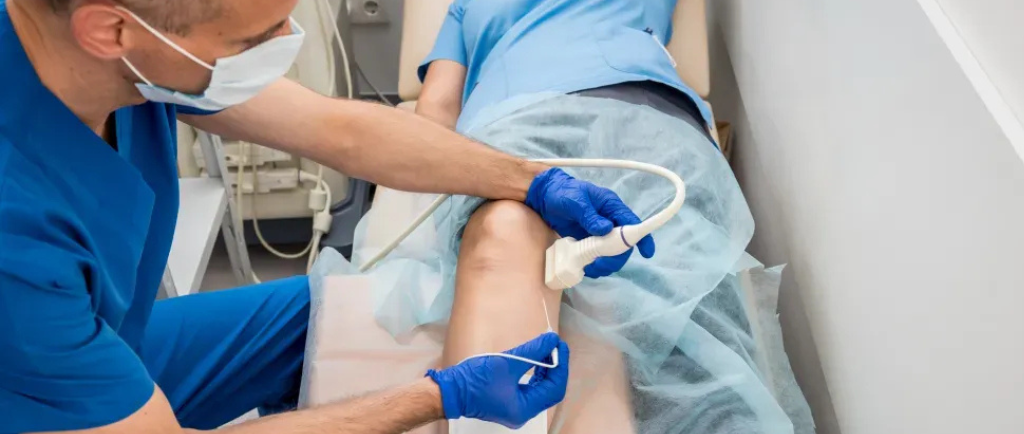
What Are Non-Vascular Interventions?
Non-vascular interventions procedures help to diagnose and/or treat a specific area using Image-guided biopsies, Image-guided Fine Needle Aspiration Cytology, various image-guided drainage procedures ect.
These procedures are commonly used for:
- Tumor diagnosis and management
- Fluid collection drainage
- Organ infections
- Obstructions in body ducts or systems
- Pain management procedures
Procedure Process
- Imaging is used to identify the target area.
- Local anesthesia is administered.
- A needle or catheter is guided precisely.
- Treatment or sampling is performed.
- Patient recovery begins shortly after.
Most procedures are completed within 30–90 minutes.
Benefits of Non-Vascular Interventions
- Minimally invasive
- No major surgical cuts
- Faster recovery time
- Reduced hospital stay
- Accurate diagnosis and treatment
- Less pain and complications
Recovery After Procedure
- Most patients go home the same or next day.
- Mild discomfort may occur temporarily.
- Normal activities resume quickly.
- Follow-up ensures proper recovery.
Who May Need These Procedures?
You may benefit if you have:
- Suspicious masses requiring biopsy
- Organ infections or abscess
- Fluid collections
- Urinary or biliary obstruction
- Tumors requiring non-surgical treatment
- Chronic pain conditions
A specialist evaluation determines the best approach.
Frequently Asked Question
Find clear answers to common questions about our interventional and vascular procedures, treatment process, and recovery.
Yes, when performed under imaging guidance, they are safe and precise.
Most of the procedures are OPD procedures, while some may require day care or one day admission.
Most procedures cause minimal discomfort due to local anesthesia.